Free Education, Compulsory Education Program
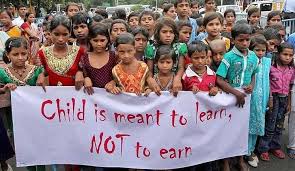
Free Education, Compulsory Education Program The "Free Education, Compulsory Education" program aims to ensure the right to education for every child. This program specifically works to provide quality education to children from poor and backward classes. Its goal is to enroll children in schools, provide them with education, and ensure that no child is deprived of learning. The right to education is not only a child's right but also plays a vital role in the overall development of society. Objectives of the Program: Providing Free Education to Every Child: To provide free education to children from poor, underprivileged, and rural areas. Increasing Awareness Towards Education: To spread awareness among children and their families about the importance of education and their rights. Providing Quality Education: To provide quality and equal education to all children so they can fulfill their duties toward society. Relationship Between Child Labor and Education: To spread awareness against child labor and encourage sending children to school. Improving Basic Facilities in Schools: To ensure the availability of necessary infrastructure and teachers in schools.
ANSHWELL HEALTH PROGRAM 2026
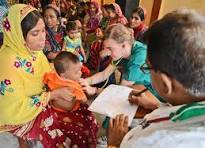
1. Maternal & Child Health (MCH) Focusing on the first 1,000 days of life is one of the most cost-effective health interventions. • "Safe Nest" Mobile Clinics: Deploy mobile medical units to remote areas to provide antenatal and postnatal care (ANC/PNC), reducing the need for long-distance travel for pregnant women. • Malnutrition Monitoring via App: Train community workers to use simple digital tools to track the height, weight, and mid-upper arm circumference (MUAC) of infants, triggering automatic food-aid delivery for "red-flag" cases. • Vaccination Reminders & Incentives: A SMS-based system that reminds parents of immunization dates and provides small "health credits" (for groceries or transport) upon completion. 2. Mental Health & Well-being Mental health is often overlooked in traditional health NGOs, but the demand is surging globally. • Peer-to-Peer Youth Support: Establish "Safe Space" clubs in schools or community centers where trained youth leads provide basic counseling and identify peers needing professional help. • Tele-Therapy for Rural Areas: Create a low-cost helpline connecting rural patients with urban mental health professionals via video or voice calls, reducing the stigma of visiting a physical clinic. • Workplace Wellness for Daily Wage Workers: Programs focusing on the mental health of informal workers (construction, sanitation), providing stress management and financial literacy to reduce anxiety. 3. Technology & Digital Health Leveraging the "Digital India" or similar global "National Health Stacks" can make your NGO highly efficient. • AI-Powered Skin & Eye Screening: Use basic smartphone apps with AI integration to help rural health workers screen for cataracts or skin conditions, referring only the high-risk cases to specialists. • E-Health Cards for Migrant Workers: Create portable digital health records for nomadic or migrant populations so their medical history follows them across state lines. • Diagnostic "ATM" Kiosks: Set up automated kiosks in village centers where people can get basic vitals checked (BP, Blood Sugar, SpO2) without needing a doctor present. 4. Preventive Health & WASH (Water, Sanitation, and Hygiene) Preventing a disease is always cheaper than treating it. • The "Iron Vessel" Cooking Project: Combat anaemia by distributing iron cooking pots to households and teaching nutrition-focused cooking classes. • Smart Water Hubs: Install solar-powered water filtration systems that are community-managed and use RFID cards to ensure equitable distribution of clean drinking water. • Menstrual Hygiene Social Enterprises: Teach women to manufacture and sell affordable, biodegradable sanitary pads, combining health education with livelihood creation.

Youth Development Programs
Anshwell Foundation focus on underprivileged youth help to build essential life skills like leadership, conflict resolution, and resilience.we are providing coaching sessions, nutrition support, and community meetings.